Brokenness is beautiful – Kintsugi
We have all been broken, and it’s not a beautiful experience or a state to be in.
There are many circumstances and reasons that cause us to be or feel broken. Some are emotional, some physical and some spiritual. It is usually when things don’t work out as we expect them to.
Disappointments, betrayals, the end of a significant relationship, or the death of a loved one. Perhaps a physical assault or being retrenched. Maybe a trigger that makes us challenge our beliefs and faith, or maybe even a pure accident. All leave us with a sense of loss. Some experiences may only leave us feeling bruised or cracked, but the most significant are those that leave us shattered.
So how can I state that brokenness is beautiful?
It was during the time when I was left feeling not only broken, but without purpose when I came across Kintsugi. It was a word in season for me. A refreshing shower of rain on a much parched land.
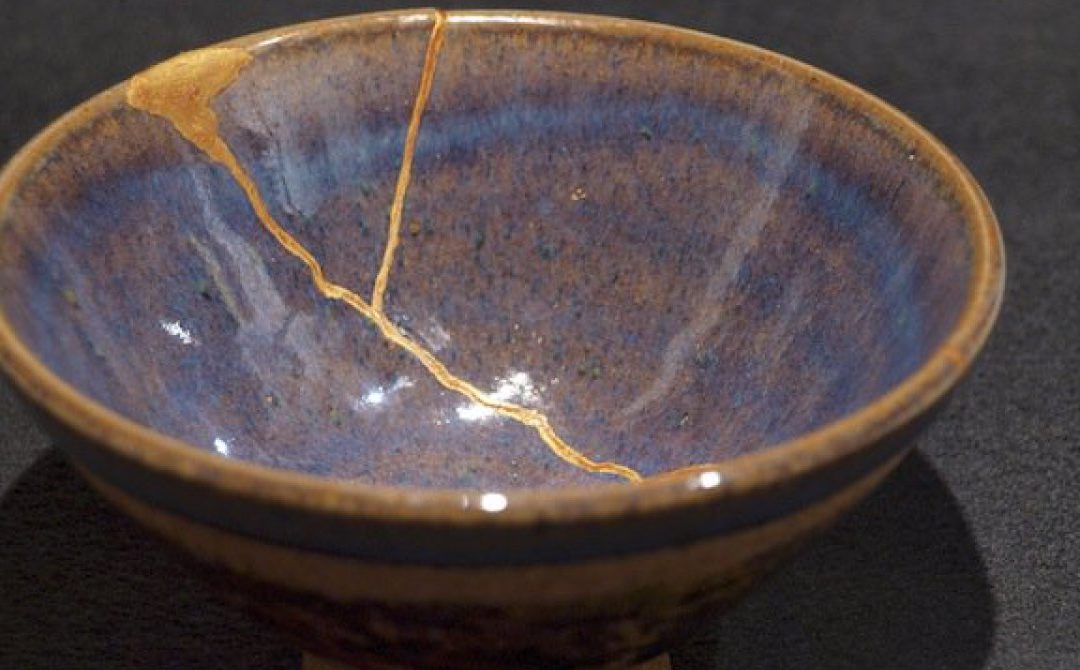
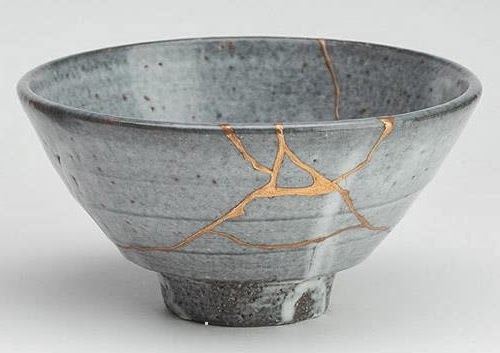
Kintsugi, also known as Kintsukuroi, is the Japanese art of repairing broken pottery with a special lacquer or epoxy dusted or mixed with powdered gold, silver, or platinum. The philosophy behind the technique is to recognize the history of the object and to visibly incorporate the repair into the new piece instead of disguising it. Not only is the brokenness highlighted, but the piece is seen to be more valuable and more beautiful because of its brokenness.
What a beautiful philosophy!
Interwoven with this is another Japanese philosophy, Wabi-Sabi. Simply put, it means finding beauty in imperfection.
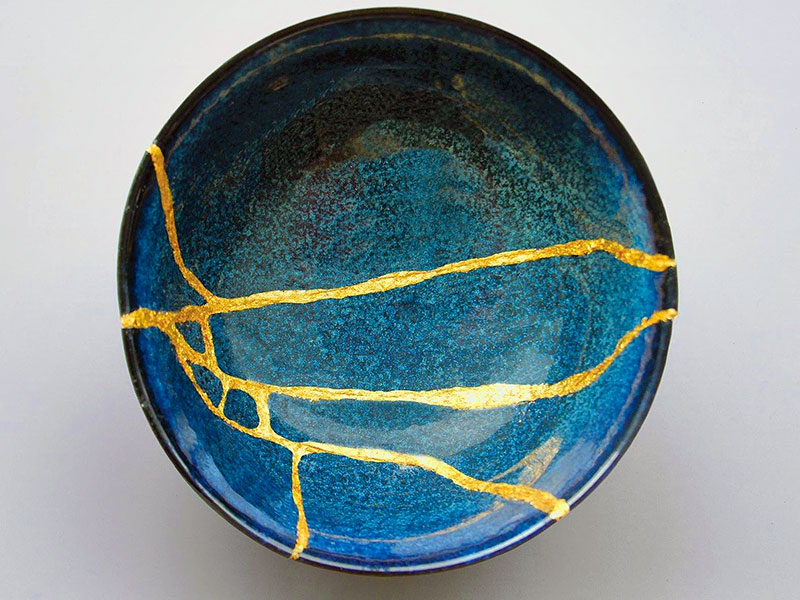
Kintsugi – the art form that brings restoration, honouring the journey – the art of precious scars.
Understanding the value in this Kintsugi process, I presented my broken heart to the Master Restorer.
My plans had been foiled, my dreams had faded , and my hopes had been dashed. Promises made had been snatched out of my hands, and my spirit had been left crushed. As the broken pottery, I had to surrender, knowing I could not fix myself. Surrendering is essentially relinquishing control. If you are anything like me, this isn’t a snap decision nor an easy process, but I knew I had neither the skills nor the resources to repair myself. The Restorer took time, precision and great care. A sense of comfort and relaxation came upon me in giving in to the process. The reconstruction was now out of my hands and in those of one far more qualified and skilled than I. Breathing in deeply and surrendering ushered in a feeling of relief.
Picture it as submitting yourself to an anaesthetic and the hands of an expert surgeon. When you are that broken and in pain, you need to turn to someone else to help fix you. Not only that, but you are only too willing as you want the pain and suffering to cease.
During this time, I started to learn some very precious lessons, which are ongoing in this classroom of life.
One of the first was patience, which had never been one of my strengths. The most difficult lesson was to let go of how I viewed myself. My need to be wanted, accepted, appreciated and to feel significant. Feeling broken, my sense of value and purpose had been destroyed too.
The greatest lesson that I was learning was that I was worthy of being restored.
In being reconstructed, I recognised that I had a slightly altered form which gave me a new purpose. I had no need to feel shame from my scars of brokenness, imperfection and my sense of failure. They didn’t need to be hidden. The truth is they need to be visible to remind me of my journey and to others to portray hope. Scars are also a symbol of having been vulnerable as well as healed.
One of the most encouraging lessons is that when I see myself, I see the scars or veins of gold that represent healing, renewed life and hope. Lyrics of an early 70’s song come to me, which I have altered to ”You’re so veined”! Sorry Carly Simon, but that makes me chuckle, (dare I say it cracks me up), as I can now appreciate my imperfect beauty.
I’m a Kintsugi girl.
Consider these concepts in your life. You are more valuable for being broken, and more beautiful for being imperfect.
Yes, brokenness is beautiful!